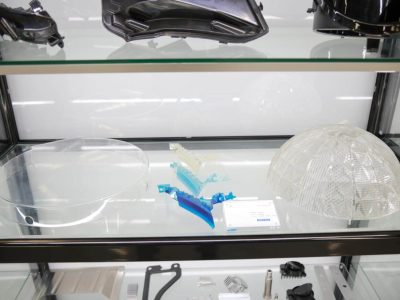
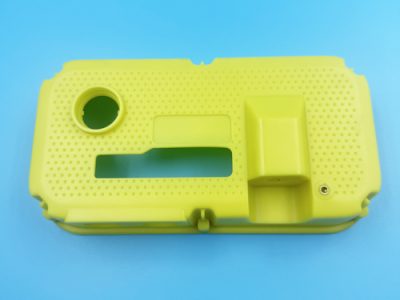
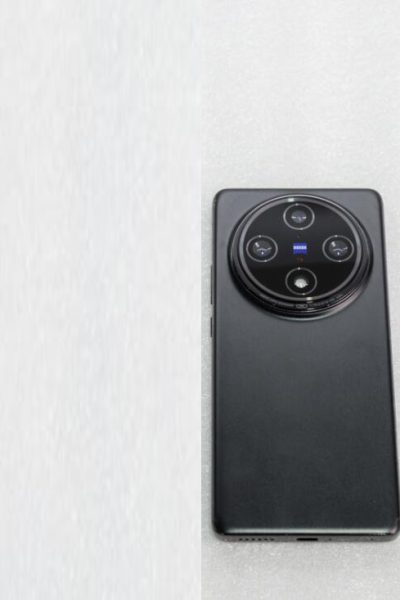
Bring your designs to life by creating appearance prototypes and sample parts faster with our vacuum casting services! We specialize in making accurate appearance and engineering structural models to verify the appearance and functional design of your products. Perfect for engineers who want to test their concepts and improve their innovations. Let us turn your vision into reality efficiently and accurately. From 1 To 50+ Parts Global Delivery In 5 Days Or Less
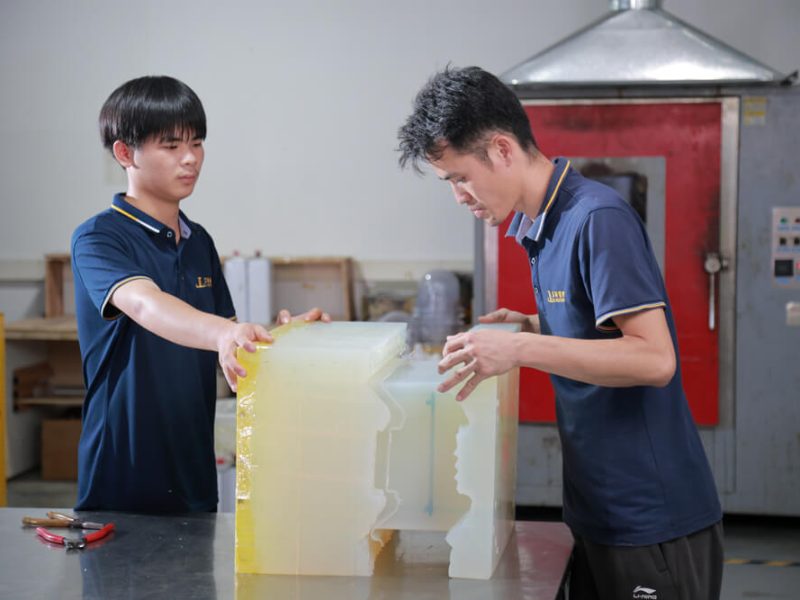
Hardware Installation & Mechanical Assembly
More than 16 years of experience
ISO 2768-MK ±0.01mm Tolerance
Fast lead times for urgent projects.
ISO 9001:2015 certified company
No Minimum Order Quantities Required
At LKprototype, our urethane casting service supports every stage of product development—from prototyping and functional testing to market validation. Operating with ISO-certified facilities and trusted manufacturing partners, we deliver high-quality urethane parts with tight tolerances of ±0.10mm and lead times as fast as 5 days. Choose from a wide range of polyurethane and silicone materials, finishes, and colors, ideal for automotive, electronics, and consumer product applications. Our services ensure your project stays on schedule and within budget.

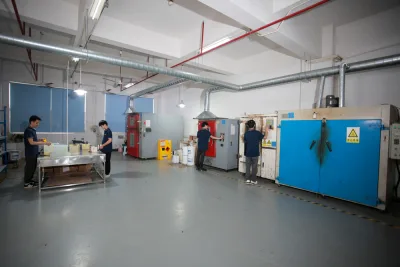
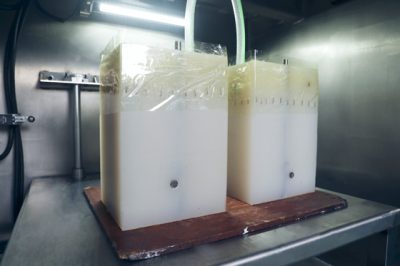
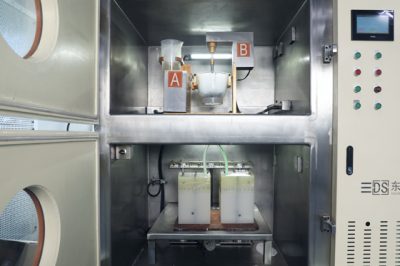
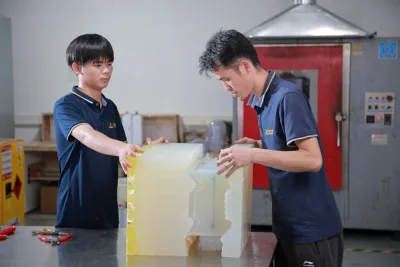
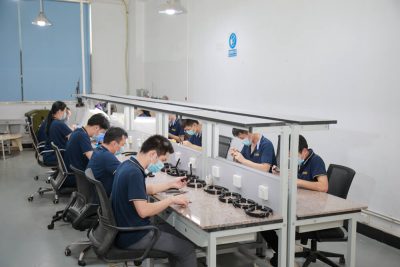
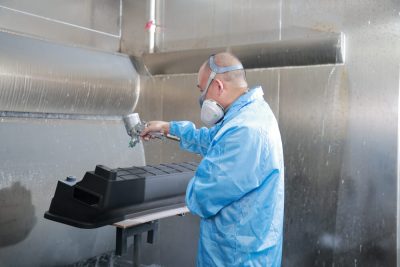
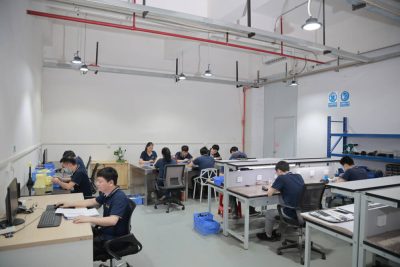
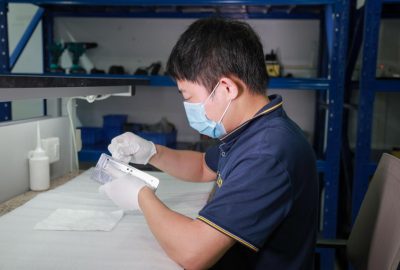
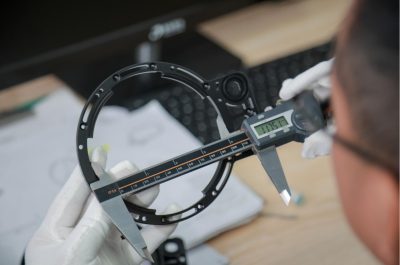
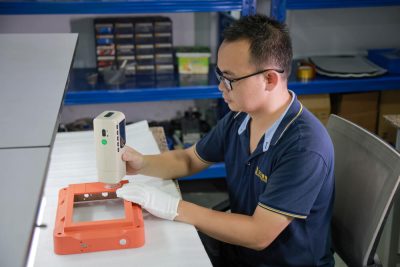
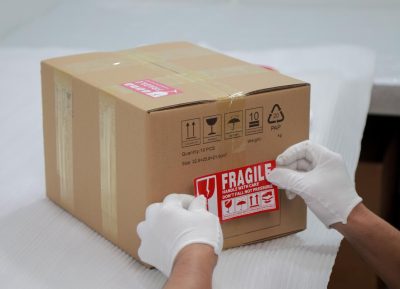
These materials are selected based on the specific requirements of the prototype, including level of detail, surface finish, durability, and the prototype's intended use in the design validation process.
Good physical properties, fast curing speed, high dimensional accuracy of finished products, easy to inject oil, and long mold life
Applications::HIPS (High Impact Polystyrene) / Non-crumbling glue
Applications::ABS standard parts
Learn more about ABS materials
*For materials not shown here, please contact us directly
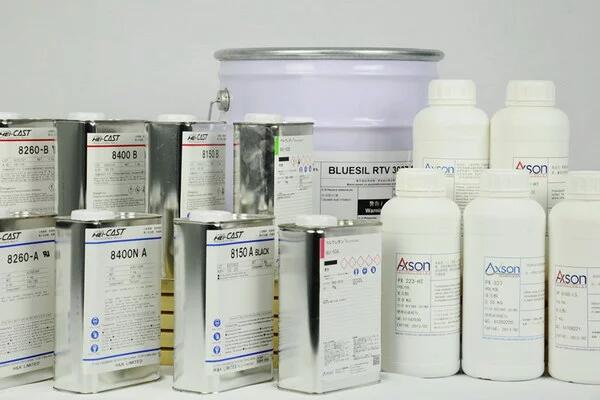
Mercury-free formulation, crystal bright, UV aging resistance, maximum pouring thickness of 10mm . Applications: Engineering Prototypes, Headlamp Lenses, Transportation
Lamps, tubes, transparent covers
Mercury-free formulation, crystal clear, UV aging resistance, maximum pouring thickness of 11mm. Application: It can be used to make transparent workers for temperature and weather resistance tests
Programs
Learn more about PMMA materials
*For materials not shown here, please contact us directly
Transparent resin, good impact resistance, cured with the performance of thermoplastics, strong toughness, not easy to break, can not be plating
Applications: PMMA/PC, ABS with filler
Learn more about PX527 materials
*For materials not shown here, please contact us directly
To meet different aesthetic and functional requirements, LKPrototype offers a wide range of surface finishing options for vacuum cast sample parts. From high-gloss polishing to soft-touch coatings and metallic effects, these finishes enhance both the appearance and durability of prototypes, closely simulating final production sample parts.
Sanding and polishing remove mold marks and minor imperfections to achieve a smooth and glossy surface. This finish is ideal for transparent or appearance-critical parts such as light covers and display components.
Custom painting provides various color effects including glossy, matte, or metallic finishes. Paint can match specific Pantone colors to achieve consistent branding.
By controlling the surface texture, vacuum cast parts can achieve a mirror-like glossy effect or a soft matte finish.
A texture finish adds fine grain, leather, or brushed effects on the surface to replicate injection-molded parts.
Logos, symbols, or operation markings can be printed on the part surface with high precision and color accuracy.
Electroplating or metallization provides a metallic appearance such as chrome, nickel, or gold.
This coating gives the part a rubber-like soft texture, enhancing comfort and grip.
A clear protective coating cured with ultraviolet light that improves surface hardness and scratch resistance.
Special metallic paints reproduce the look of real metal without the weight or cost of plating.
Our vacuum casting process uses high-quality Silicone Molds to create master patterns with precision.
Standard tolerances typically follow ISO 2768-m, offering an ideal balance of speed, cost, and accuracy for your low-volume production needs.
| Feature | Specification |
|---|---|
| Standard Tolerance | ± 0.15 mm (or ± 0.3% of nominal dimension) |
| Mold Material | Industrial Grade Silicone Rubber |
| Mold Life | 15 – 25 shots (Depending on part complexity) |
| Typical Lead Time | 5 – 10 Days (Includes master pattern creation) |
| Ideal Quantity | 1 – 50+ Parts (Cost-effective for small batches) |
| Max Part Size | Up to 118" (Dependent on casting chamber) |
| Surface Finish | Matches Master Pattern (Gloss, Matte, VDI 3400 textures) |
| Quality Control | Full dimensional report & material certification available. |
Hint: Part lengths of up to 118" are available depending on process capability. Tolerances listed here represent ideal minimums; actual tolerances may vary depending on material, part geometry, or mold design. For oversized parts or special tolerance requirements, please contact us.
Simply upload your CAD files in STEP, IGES, STL, or PDF format. Our engineers will personally review your design and respond with timely, helpful feedback.
Work with our experts to choose the most suitable materials and manufacturing processes, ensuring your components meet every design and performance requirement.
Upload your design files and select materials, and we'll provide a detailed quote within 24 hours.
Please review the quotation and confirm your order. Our team will start production immediately upon confirmation.
We craft each part to match your precise specifications and ship it to your chosen address as scheduled.
We value your opinion! After receiving your order, please consider sharing your thoughts about our service — your feedback helps us build better experiences.
LKprototype Manufacturing Services: From Prototyping to Production
Our streamlined production process allows us to deliver high-quality parts in just days — right when you need them.
Every part goes through strict inspections to ensure consistent quality and reliable performance.
From CNC machining and vacuum casting to injection molding and 3D printing, we offer everything you need under one roof.
We build every part to your exact specifications, delivering tight tolerances and smooth finishes that bring your designs to life.
Our experienced engineers work closely with you, offering guidance from design review through to final production.
We keep your designs secure and never share them — NDAs are available, and all staff are banned from bringing digital devices into the factory.
We deliver fast, high-precision manufacturing solutions for diverse industries — from automotive and medical to consumer electronics and industrial equipment.
In practice, we have found that our customers often care about the following issues. Please select the relevant issues according to your project.
Vacuum casting is a rapid manufacturing process used to produce high-quality plastic prototypes and low-volume production parts. A master model—usually CNC machined or 3D printed—is placed in a silicone mold. Liquid polyurethane resin is then poured under vacuum, removing air bubbles and ensuring perfect surface details. After curing, the part is demolded and ready for finishing. The process replicates fine textures, smooth surfaces, and functional details similar to injection-molded parts.
Vacuum casting typically uses polyurethane resins that mimic the properties of engineering plastics. Common materials include ABS-like, PP-like, PC-like, PA-like, and rubber-like resins. Transparent, heat-resistant, or impact-resistant grades are also available for specific applications. These materials can simulate injection molding plastics in strength, flexibility, and appearance—making them ideal for functional testing, prototypes, and pre-production parts.
The general tolerance for vacuum-cast parts is ±0.2 mm or ±0.1% of part dimensions, whichever is greater. Localized areas or complex geometries may have slightly higher deviation due to silicone mold flexibility and resin shrinkage (typically 0.2–0.4%). With careful mold design and stable master models, precision can be improved for assembly-critical features.
Vacuum casting allows multiple surface finishes, depending on the master model and post-processing. Common options include high-gloss polish, matte, sandblasting, painting, electroplating, and soft-touch coatings. Each finish enhances the product’s visual and tactile quality, helping prototypes closely match final production aesthetics for presentations or functional testing.
Vacuum-cast parts are highly durable for prototypes and low-volume functional use. The resins can withstand mechanical stress, moderate heat, and even limited outdoor exposure. While not as long-lasting as injection-molded plastics, vacuum-cast parts can perform reliably in fit tests, assembly validation, and pre-market evaluations.
The typical lead time for vacuum casting is 7–10 days, depending on part size, complexity, and quantity. Creating the silicone mold usually takes 2–3 days, and each casting cycle produces 15–25 parts per mold. Compared to injection molding, vacuum casting offers faster turnaround and lower tooling cost—ideal for rapid product development.
Vacuum casting is widely used in industries such as automotive, consumer electronics, medical devices, robotics, and household appliances. It’s particularly suitable for design validation, marketing samples, pre-production testing, and pilot runs before mass manufacturing. The process helps companies shorten development cycles and reduce tooling investment.
Yes. Transparent polyurethane materials can replicate PMMA or PC clarity, ideal for light covers or display windows. Pigments can also be added to produce solid or translucent colors that match Pantone shades. For aesthetic prototypes, surface coating or spray painting can further enhance the appearance.
Vacuum casting offers superior surface quality, flexibility in color and texture, and lower cost for small batches. Unlike 3D printing, it produces parts with consistent mechanical strength and appearance. Compared to CNC machining, it can replicate complex geometries and fine textures at a fraction of the cost for multiple parts.
You can easily request a quote by uploading your 3D CAD files (STEP, STL, IGES) and specifying material, color, quantity, and finish. Our engineering team will review your design and provide a detailed quotation with lead time and manufacturability advice—ensuring fast, accurate, and cost-effective production.
Explore our latest articles to learn more about precision what is vacuum casting process, material selection, and cost optimization.
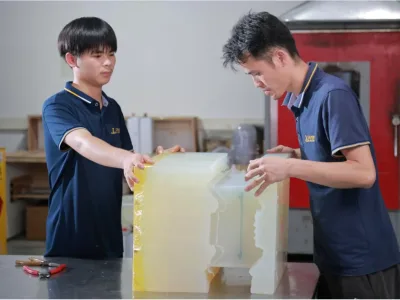
Urethane casting prototype Choosing the best vacuum casting factory is crucial for creating high-quality prototypes and parts for your project. A reliable factory equipped with advanced tools and experienced professionals ensures precise and consistent results. Their efficient processes save both time and money while offering custom solutions tailored to your specific needs. Selecting the right vacuum casting factory simplifies the process of transforming your ideas into tangible products. Key Takeaways Look up different vacuum casting companies. Check reviews and their work to ensure they are good and trustworthy. Pick a factory with trained workers and modern tools. This helps make…
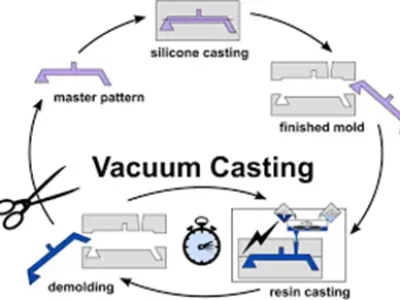
Vacuum Casting Services are extensively applied to short-time producing processes and designing trial production. Polyurethane vacuum casting is a specific technique used in these services, known for producing high-quality prototypes and small to medium production runs. This process results in parts with good detail and surface finish and with considerably less tool wear. It is effective in prototyping new designs, making fully functional prototypes and for developing relatively small numbers of components. What is Vacuum Casting? Vacuum casting is one in which the silicone rubber molds are made under a vacuum. These molds are then used to pour parts of…
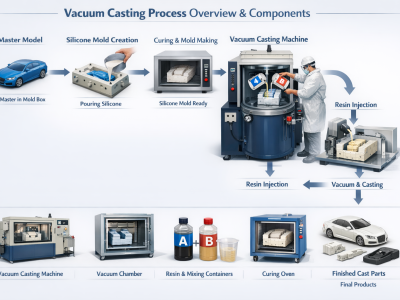
Vacuum casting is a process used to create precise prototypes and small-batch parts with silicone molds. It’s favored for its accuracy and speed, making it ideal for product development. This guide covers how vacuum casting works, the materials involved, and its benefits. Key Takeaways Vacuum casting is a precise manufacturing technique using silicone molds and vacuum environments to produce high-quality prototypes and small-batch parts. The process includes creating a master model, making silicone molds, mixing and pouring resins, and finishing the products, offering tolerances of ±0.1mm. Vacuum casting is cost-effective for low-volume production compared to injection molding and delivers superior…
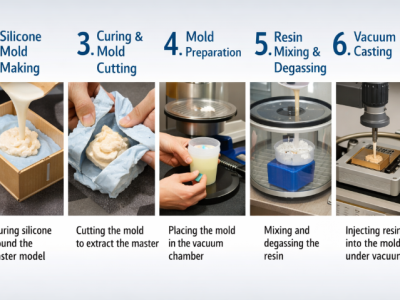
Estimated reading time: 22 分钟 You use the vacuum casting process to make exact parts from a master model. This method lets you change your design and use cheap tools. It is great for making prototypes and small batches. You get high-quality prototypes with smooth surfaces and tricky shapes. This happens because there are fewer air bubbles and you can use more materials. AdvantageDescriptionReduced Porosity and DefectsGets rid of air pockets so parts are stronger.Superior Surface FinishMakes smoother surfaces, so you do not need much extra work.Complex GeometriesLets you make detailed designs that other ways cannot do.Material VersatilityWorks with many…
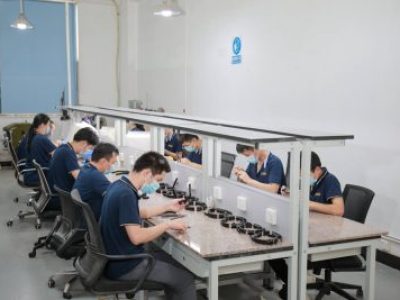
Urethane casting prototype A professional vacuum casting factory uses special machines and careful checks to make good parts for new products. The factory looks at numbers like pressure and temperature to find problems and make more good parts. Machine learning models link how the process works with how many mistakes happen. Digital tracking systems make sure every part follows the rules. The factory uses these ways to help make samples and small batches with good results. Key Takeaways A vacuum casting factory has special machines and clean rooms. These help make strong parts with lots of detail and few errors.…
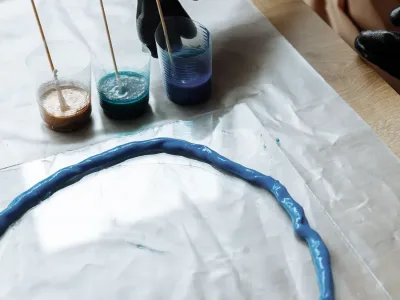
Urethane casting prototype Vacuum casting silicone mold is a meticulous process that ensures the creation of high-quality silicone molds. This technique utilizes reduced air pressure to eliminate bubbles, resulting in a smooth finish. It is particularly effective for testing ideas and producing small batches, as it captures intricate details with remarkable accuracy. The process involves placing mixed silicone in a vacuum chamber to remove air bubbles, which leads to a flawless surface. The steps include preparing materials, mixing and pouring the silicone, eliminating air bubbles, and allowing the mold to harden. This method enables you to produce vacuum casting silicone…
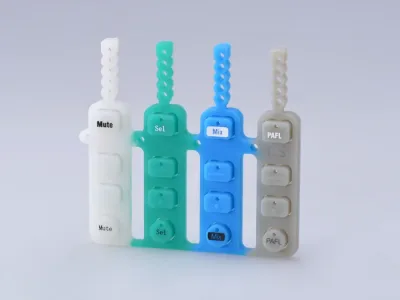
Choosing between vacuum casting and low volume injection molding depends on your specific needs for small batch production. Vacuum casting has a lower initial cost and allows for easier design changes. On the other hand, low volume injection molding produces parts faster and offers a lower cost per part when producing larger quantities. The table below highlights the key differences: FeatureVacuum CastingLow Volume Injection MoldingSetup CostLow to moderateHigher upfrontPer-Unit CostHigher at scaleLower with volumeLead TimeShorterLonger setup, faster cyclesTool LifeUp to 200 partsUp to 50,000 shots Key Takeaways Vacuum casting works well for small groups and fast samples. It costs less…
Vacuum casting uses silicone molds and vacuum chambers to make detailed parts. It is helpful for creating small batches that look like final products. This process makes prototypes very accurate and meets industry rules. The vacuum casting market is growing fast. It was worth $1.5 billion in 2022 and may grow 7.5% each year until 2030. Industries like cars, planes, and healthcare use vacuum casting to make high-quality parts. It works quickly and saves money, so manufacturers like it for making precise parts fast. Key Takeaways Vacuum casting is great for making detailed models and small amounts. It saves money…
Want to convert your CAD design into a sample prototype or small-batch production? Upload your files and get a fast and accurate quote.